


Empowering Veterans Through Education and Support

Veterans face unique challenges when transitioning back to civilian life. Many struggle with finding employment, accessing education, and receiving the support they need to thrive. Education and support systems play a crucial role in helping veterans reintegrate into society and build successful futures. This blog post explores various ways to empower veterans through education and support, highlighting programs, resources, and personal stories that illustrate the impact of these initiatives.
Understanding the Challenges Veterans Face
Transitioning from military to civilian life can be daunting. Veterans often encounter several obstacles, including:
Employment Gaps: Many veterans have gaps in their resumes due to military service, making it challenging to compete in the job market.
Skill Transferability: Skills acquired in the military may not directly translate to civilian job requirements, leading to confusion and frustration.
Mental Health Issues: Some veterans face mental health challenges, such as PTSD, which can hinder their ability to seek employment or pursue education.
Lack of Support Networks: Upon returning home, veterans may find themselves isolated from their peers and lacking a support system.
Understanding these challenges is the first step in creating effective educational and support programs tailored to veterans' needs.
The Importance of Education for Veterans
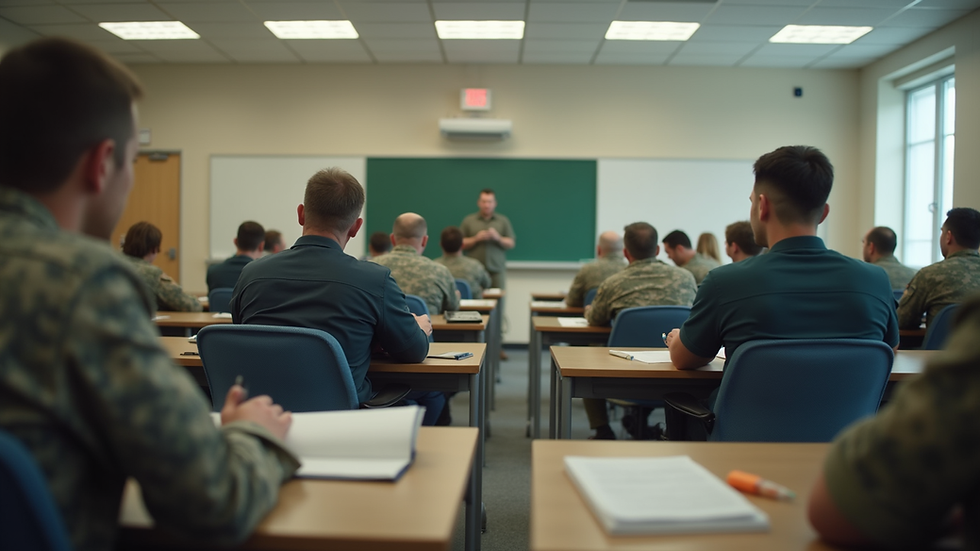
Education is a powerful tool for veterans seeking to improve their lives. It provides them with the skills and knowledge necessary to succeed in the civilian workforce. Here are some key benefits of education for veterans:
Skill Development: Education helps veterans acquire new skills that are in demand in the job market.
Increased Earning Potential: Higher education levels often correlate with higher salaries, allowing veterans to achieve financial stability.
Networking Opportunities: Educational institutions often provide networking opportunities that can lead to job placements and career advancement.
Personal Growth: Education fosters personal development, helping veterans build confidence and a sense of purpose.
Programs Supporting Veterans' Education
Several programs are dedicated to supporting veterans in their educational pursuits. Here are a few notable examples:
GI Bill
The GI Bill is one of the most significant benefits available to veterans. It provides financial assistance for education and housing, making it easier for veterans to pursue degrees, vocational training, and certifications. The GI Bill covers tuition and fees, a monthly housing allowance, and funds for books and supplies.
Vocational Rehabilitation and Employment (VR&E)
The VR&E program assists veterans with service-connected disabilities in preparing for, finding, and maintaining suitable employment. It offers services such as counseling, education, training, and job placement assistance. This program is particularly beneficial for veterans who may need additional support due to their disabilities.
Community College Programs
Many community colleges offer programs specifically designed for veterans. These programs often provide flexible scheduling, support services, and tailored curricula that address the unique needs of veterans. Community colleges can serve as a stepping stone for veterans looking to further their education or gain vocational skills.
Support Systems for Veterans
In addition to educational programs, support systems are essential for helping veterans navigate their transition to civilian life. Here are some key support systems available:
Peer Support Groups
Peer support groups provide veterans with a safe space to share their experiences and challenges. These groups foster camaraderie and understanding, allowing veterans to connect with others who have faced similar situations. Organizations like the Veterans of Foreign Wars (VFW) and American Legion offer peer support programs that can be invaluable for veterans seeking community.
Mental Health Services
Access to mental health services is crucial for veterans dealing with the psychological effects of military service. Many organizations, such as the Department of Veterans Affairs (VA), offer counseling and therapy services specifically for veterans. These services can help veterans cope with issues like PTSD, anxiety, and depression.
Job Placement Services
Job placement services can assist veterans in finding employment opportunities that match their skills and interests. Organizations like Hire Heroes USA provide free job search assistance, resume writing workshops, and interview preparation tailored to veterans. These services can significantly improve veterans' chances of securing meaningful employment.
Personal Stories of Empowerment
To illustrate the impact of education and support on veterans' lives, let's explore a few personal stories.
John’s Journey
John served in the Army for six years before transitioning to civilian life. Initially, he struggled to find a job that matched his skills. After enrolling in a community college program for veterans, he discovered a passion for information technology. With the support of his instructors and peers, John completed his degree and secured a job as a network administrator. He credits the program with giving him the confidence and skills he needed to succeed.
Maria’s Transformation
Maria, a Navy veteran, faced significant challenges after returning home. She struggled with PTSD and felt isolated from her community. After joining a peer support group, she found a network of veterans who understood her experiences. With their encouragement, Maria pursued a degree in social work. Today, she works with veterans facing similar challenges, helping them navigate their transitions and find the support they need.
How to Get Involved
Supporting veterans through education and support is a collective effort. Here are some ways individuals and organizations can get involved:
Volunteer: Many organizations seek volunteers to mentor veterans, assist with job placement, or provide tutoring. Your time can make a significant difference in a veteran's life.
Donate: Financial contributions to veteran support organizations can help fund educational programs, mental health services, and job placement initiatives.
Advocate: Raise awareness about the challenges veterans face and advocate for policies that support their education and well-being.
Conclusion
Empowering veterans through education and support is essential for helping them transition successfully to civilian life. By understanding the challenges they face and providing tailored programs and resources, we can make a meaningful impact on their lives. Whether through education, peer support, or job placement services, every effort counts. Let us work together to ensure that our veterans receive the support they deserve, paving the way for brighter futures.
By investing in their education and well-being, we not only honor their service but also strengthen our communities.


Comments